Good gums are essential to achieving a beautiful smile. But, while most people pay close attention to their teeth, they fail to consider their gums until there is an issue with them. It is not a surprise, therefore, that gum diseases are one of the most prevalent diseases in oral hygiene, starting from mild symptoms that are easily ignored.The best thing about gum diseases is that they can be treated effectively with timely intervention. Being aware of the Early Signs of Gum Disease will help you avoid pain and unnecessary complications down the road.
What Is Gum Disease?
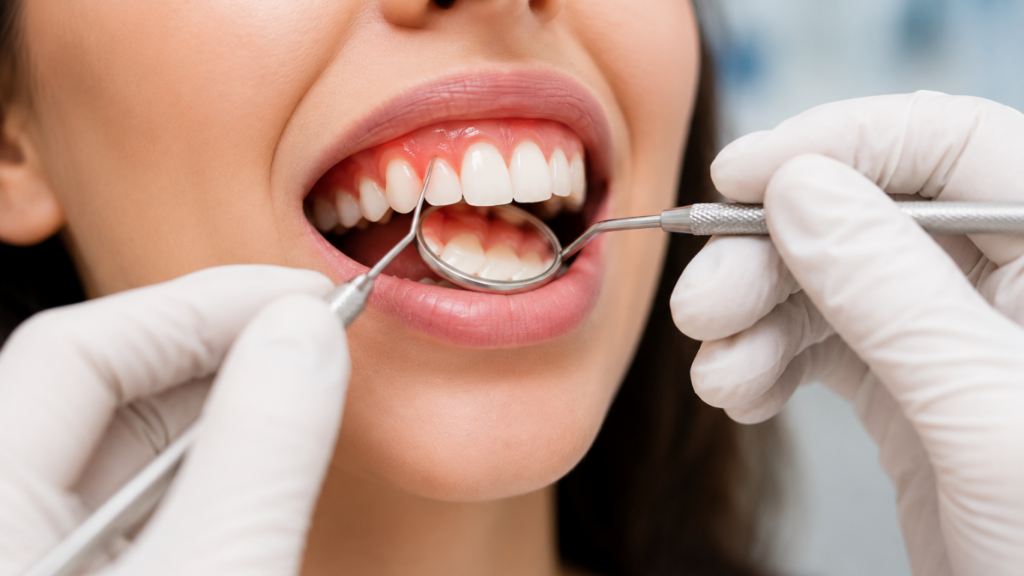
Gum disease, medically referred to as periodontal disease, is an infection of the structures around your teeth. The disease normally starts when plaque, a film-like bacterial deposit, accumulates along the gum line. As a result of poor dental habits, like insufficient brushing, flossing, and dental visits, the plaque irritates the gum tissue leading to inflammation. Professional dental services are therefore essential in preventing the development of gum disease.When gum disease is in its early stages, referred to as gingivitis, it is possible to cure it with good dental hygiene and care. Failure to treat it results in a worse condition called periodontitis.
Why Early Detection Is Important
There are many people who do not even know that they suffer from gum disease because there is no pain associated with it. At the point where one experiences severe symptoms, the problem might have gone past the early stages and therefore it becomes difficult to treat. Early detection makes it easier for dentists to take action while the disease is still manageable.
Signs of Gum Disease in the Early Stages
Bleeding When Brushing, Flossing, or Eating
It is normal for most people to believe that bleeding during teeth cleaning is normal but the truth is that healthy gums never bleed. If you see any traces of blood when brushing, flossing or consuming some foods, there is a chance that your gums have become inflamed due to excessive amounts of plaque at the gumline.
Red or Swollen Gums
Your gums should normally be pink and firm. However, if you notice that they are red or swollen, you might have gingivitis at the initial stages of this condition. Your body tries to fight bacteria around the teeth with swelling.
Persistent Bad Breath
In some cases, bad breath might indicate gum disease since bacteria in between the gums give off a bad smell that cannot always be removed by brushing.If you have persistent bad breath regardless of how well you take care of your teeth, it might be time for you to schedule a check-up at the dentist’s office.
Tender or Sensitive Gums
When you have inflammation in your gums, it makes them feel tender. It becomes painful for you when you are brushing, flossing, or eating certain foods.This sensitivity often develops before more serious symptoms appear.
Gums that Are Beginning to Recede
Are your teeth looking longer than normal? Receding gums are one of the most obvious symptoms of the beginning stages of periodontal disease.
With the formation of spaces between the teeth as a result of receding gums, bacteria will build up within the gaps, thereby creating an environment for the development of infections and further deterioration of the gums.
Increased Tooth Sensitivity
Due to gum recession, more of the sensitive root portions of the teeth become exposed, causing pain whenever you eat or drink something that is hot, cold, acidic, or sugary.
Though there are various reasons why a person could experience tooth sensitivity, gum disease is one of the most common causes.
Changes in Gum Texture
Gums should usually fit tight against the teeth. Should the gums appear to be soft or loose, it may be due to gum disease.These changes should be evaluated by a dental professional as soon as possible.
Risk Factors That Increase Your Chances of Gum Disease
A variety of factors may predispose one to developing gum disease such as:
Poor Oral Hygiene
Failure to brush and floss regularly leads to the accumulation of plaque and tartar along the gum line.
Smoking and use of tobacco products
Smokers are at a much higher risk of developing gum disease as well as experiencing problems with healing following treatment for the disease.
Having diabetes
Diabetics are more prone to infections and as a result are more susceptible to developing gum disease.
Hormonal changes
Pregnant women, menopausal women, or those going through hormonal changes are more likely to develop gum disease due to increased sensitivity.
Family History
Genetics can contribute to being predisposed to periodontal disease.
Ways of Avoiding Gum Diseases
Brush Twice Daily
Using fluoride toothpaste, you should brush at least for two minutes twice per day.
Daily Flossing
Flossing helps to clear the plaque and food particles in those spots where the toothbrush cannot reach.
Attend Dental Visits Frequently
Dental visits are helpful since dentists examine your oral cavity and eliminate plaque and tartar. In addition, professional dental examinations help identify gum diseases at the early stages when they are still treatable.
Eat Healthily
Eating a well-balanced diet helps strengthen your immune system and support healthy gums.
Stop Using Tobacco Products
Smoking cessation will lead to better gum health.
When to Visit a Dentist?
In case you find yourself with bleeding gums, constant bad breath, receding gums, swelling, or heightened tooth sensitivity, it would be prudent to see a dentist as soon as possible since timely action will help prevent the condition from deteriorating any further.
Conclusion
It is not uncommon for gum disease to develop in stealth. If you are alert enough to spot early symptoms like bleeding gums, swelling, redness, and bad breath, you can avoid the situation from worsening by following a proper oral hygiene routine, visiting a dentist regularly, and undergoing preventive treatment.